Groceries are one of the few spending categories where discounts are available every single week — if you know where to look. Unlike electronics or fashion, where sales are seasonal, grocery promotions are continuous: rotating weekly circulars, digital coupons that load to loyalty cards, manufacturer rebate apps, and cashback programs that stack on top of everything else.
The challenge isn't whether discounts exist. It's knowing which combination of tools applies to where and how you shop — in-store, for delivery, or for pickup.
This guide covers grocery coupon codes for every shopping format: delivery services, major physical chains, and the double-dip strategies that let you stack store apps with cashback for the highest total savings. New to how promo codes work? See our guide on what is a promo code and how coupon codes work first. For the complete coupon stacking system, see our guide on how to use multiple coupons at once.
Digital Coupons vs Paper Coupons in 2026
The grocery coupon landscape has shifted almost entirely to digital — but paper coupons haven't disappeared, and the two systems work differently enough that understanding both is worth your time.
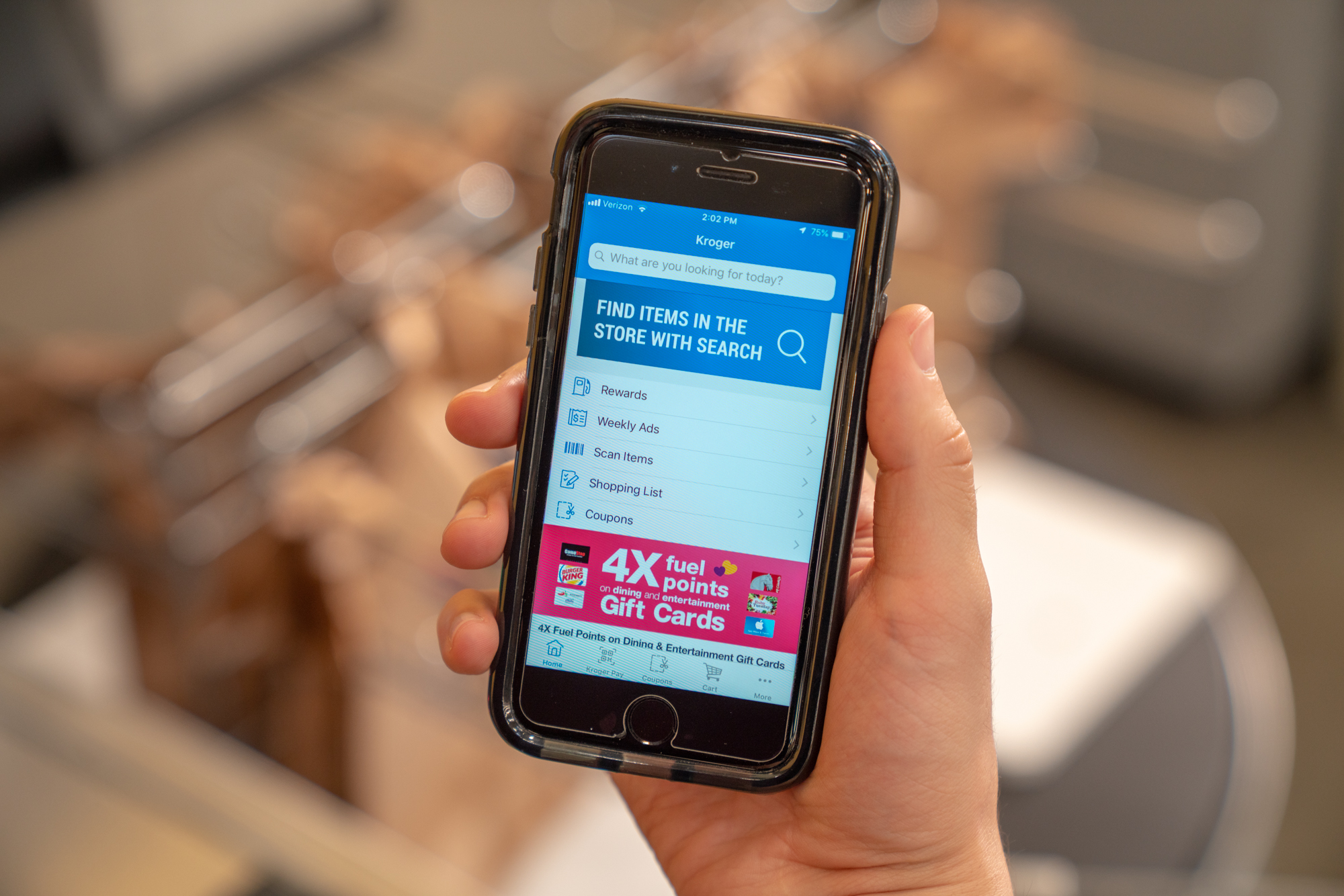
Digital coupons are offered through retailer apps and loyalty card programs (Kroger app, Safeway Just for U, Albertsons app), manufacturer apps like Ibotta and Coupons.com, and third-party cashback platforms. They're loaded to your account before shopping and apply automatically at checkout when you scan your loyalty card or app. No clipping, no carrying paper, no forgetting at home.
The advantages of digital: instant access, no expiration date hunting, and the ability to stack multiple offers simultaneously. Most major chains now offer 20–50 digital coupons per week, covering everything from cereal and yogurt to household cleaning products.
Paper coupons — still distributed via Sunday newspaper inserts, direct mailers, and in-store booklets — are manufacturer coupons issued by the brand rather than the retailer. Their key advantage: they can be stacked with digital store offers. A digital Kroger store coupon plus a paper manufacturer coupon on the same item is explicitly permitted at most major chains, representing two discount layers on a single product.
The 2026 reality: For most shoppers, digital coupons are the primary vehicle because they require no physical handling. But if you shop the same stores weekly and buy consistent brand-name items, keeping an eye on manufacturer paper inserts adds a meaningful stacking layer that digital-only shoppers miss.
Which approach is better?
Occasional shoppers or those without brand loyalty: digital-only is simpler and sufficient
Regular shoppers at specific chains who buy brand-name staples: combining digital store coupons with manufacturer paper coupons delivers the deepest discounts
For the full mechanics of how paper and digital stack together, see our coupon stacking guide.
Best Grocery Delivery Coupons: Instacart, Walmart Grocery, Amazon Fresh
Grocery delivery has its own coupon ecosystem — separate from in-store promotions and with its own rules about what stacks and what doesn't.
Instacart
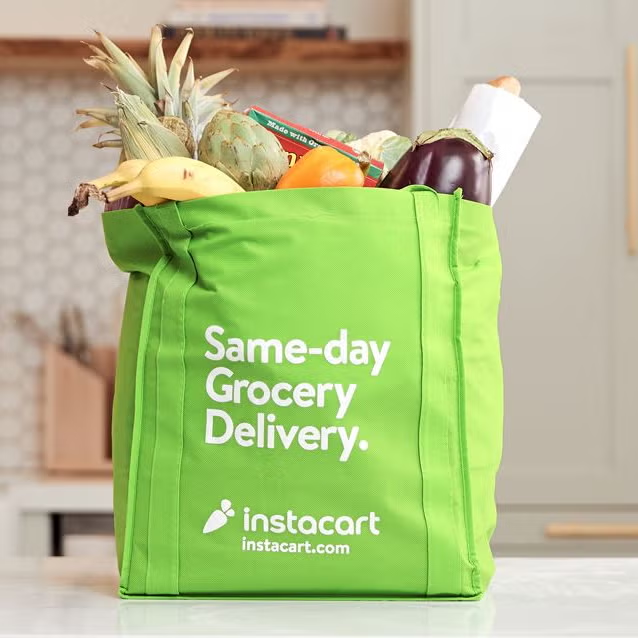
Instacart is the largest third-party grocery delivery service in the U.S., covering most major chains including Kroger, Safeway, Albertsons, Costco, and hundreds of regional grocers.
Where Instacart coupons come from:
Instacart+ membership (formerly Instacart Express) costs $9.99/month or $99/year and provides free delivery on orders over $35, reduced service fees, and exclusive member promotions. Signing up for the free trial and using it during a high-spend period is the simplest Instacart savings move.
In-app digital coupons — Instacart surfaces manufacturer digital coupons within the app for many name-brand items. These apply automatically at checkout without a code. Browse the "Offers" section before adding items to your cart.
Promo codes for new users — Instacart periodically releases new-user promo codes for free delivery on first orders or $10–20 off a first order. These are available on coupon aggregator sites and change frequently. Check our store directory for currently active Instacart codes before placing your first order.
Cashback stacking — Ibotta has a dedicated Instacart integration. Activating Ibotta offers before placing an Instacart order adds a cashback layer on top of whatever in-app coupons apply. This combination — in-app digital coupons + Ibotta cashback — is the highest-savings combination available for delivery shopping without a membership.
Important Instacart limitation: The prices you pay through Instacart for most retailers are the store's normal retail price plus Instacart's service fee and markup. In-store sale prices are not always reflected in the Instacart listing. Check whether the store's weekly circular sale price appears in the Instacart listing before assuming you're getting the advertised discount.
Walmart Grocery (Walmart+ and Pickup)
Walmart offers two grocery delivery/pickup formats with different discount profiles.
Walmart Grocery Pickup (free, no membership required) gives you access to Walmart's full in-store pricing including weekly rollbacks, without the markup of third-party delivery services. Pickup is the highest-savings Walmart grocery format because you pay shelf price, not delivery-service price.
Walmart+ ($12.95/month or $98/year) includes free delivery on grocery orders over $35, fuel discounts, and Paramount+ streaming. The grocery delivery pricing is Walmart's in-store price — not inflated — making Walmart+ delivery comparable to pickup pricing with the convenience of home delivery.
Online grocery coupons at Walmart: Walmart's app contains digital coupons that apply to both in-store and online/delivery orders. These are separate from manufacturer coupons. Loading them to your account before checkout (in-store or online) applies them automatically.
Manufacturer coupons are accepted at Walmart for in-store purchases but don't apply to online or delivery orders. This is a meaningful distinction if you use paper coupons.
Amazon Fresh
Amazon Fresh is available to Prime members in select metro areas. Its coupon ecosystem is tightly integrated with Prime:
Prime member exclusive deals — Amazon Fresh surfaces Prime-exclusive pricing (typically 10–20% below standard price) on select items that appear automatically when you're logged in as a Prime member.
Amazon Fresh coupons — available in the "Coupons" section of the Amazon Fresh storefront. These function like digital coupons — clip them to your account, and they apply automatically when you add the eligible item.
Subscribe & Save on grocery items — for pantry staples you buy regularly (coffee, oats, canned goods, protein powder), Subscribe & Save delivers 5–15% off with flexible delivery scheduling. Canceling after your first or second delivery is straightforward if the item doesn't work out.
Whole Foods benefit — Prime members receive additional discounts at Whole Foods in-store (look for yellow Prime member price tags) and through Amazon Fresh's Whole Foods delivery option.
Physical Store Digital Coupons: Kroger, Safeway, Albertsons
The three largest traditional grocery chains in the U.S. — Kroger, Safeway, and Albertsons — all operate robust digital coupon programs through their loyalty apps. These are the online grocery coupons that require no promo code — just a free loyalty account.
Kroger: Digital Coupons & Loyalty Program
Kroger's loyalty program (Kroger Plus card) is the foundation of their discount system. The app surfaces two types of offers:
Kroger store digital coupons — issued by Kroger, applied when you scan your loyalty card. These rotate weekly (typically 30–60 active coupons at any time) and cover a mix of store-brand and name-brand items.
Fuel points — Kroger's loyalty program awards fuel points on purchases, redeemable at Kroger fuel stations and select partner stations. During double/triple fuel point promotions (common on gift cards), frequent shoppers accumulate points for significant per-gallon discounts.
Kroger + Ibotta integration — Kroger's app has a direct Ibotta integration (visible under "More Savings" in the app) that lets you browse and activate manufacturer rebates without leaving the Kroger ecosystem. This is the single most streamlined grocery coupon stacking experience available at any major chain — store digital coupon + manufacturer rebate in the same app. Find active Kroger codes on their store page.
Safeway
Safeway's "Just for U" loyalty program mirrors Kroger's structure: weekly digital coupons loaded to your account, applied automatically at checkout with your Safeway card or app.
What sets Safeway apart: their "Personalized Deals" section surfaces coupons tailored to your purchase history — items you buy regularly appear at discounted prices specific to your account. These are not available to general shoppers; they're calculated from your transaction data. Shoppers who buy the same items consistently tend to see the best personalized rates.
Safeway also runs weekly "Club Card specials" where prices are only available to loyalty card holders — often representing 20–40% off compared to non-card price.
Albertsons
Albertsons operates the same loyalty infrastructure as Safeway (they share parent company Albertsons Companies) — so the Just for U program, digital coupons, and personalized deals work identically. If you shop both chains, a single Albertsons Companies account works across Albertsons, Safeway, Vons, Jewel-Osco, Shaw's, and several other regional banners.
The physical store digital coupon checklist (weekly, 5 minutes):
Open your chain's app before the weekly shopping trip
Go to "Digital Coupons" or "Just for U" and clip everything relevant
Check the Ibotta integration or the Ibotta app for manufacturer rebates on items you're buying
At checkout, scan your loyalty card or app — all clipped coupons apply automatically
How to Double-Dip: Store App + Cashback
The "double-dip" strategy is where grocery coupon codes and cashback combine for the highest total savings percentage. It works at physical stores, for pickup orders, and for some delivery services.
The four-layer grocery stack:
Layer 1 — Store sale price: The retailer's weekly promotional pricing. Automatic, no action required.
Layer 2 — Store digital coupon: Loaded to your loyalty card via the chain's app. Applied at checkout.
Layer 3 — Manufacturer rebate (Ibotta, Fetch, or paper coupon): A brand-issued discount separate from the store offer. Ibotta rebates are claimed after purchase by submitting your receipt or linking your loyalty card. Fetch Rewards accepts any grocery receipt for points redeemable as gift cards.
Layer 4 — Cashback credit card: Using a card that earns 3–6% on grocery purchases (Chase Sapphire Preferred, Citi Custom Cash, Blue Cash Preferred from American Express) on top of the first three layers.
For online grocery orders (Walmart pickup, Amazon Fresh), also install a browser extension to auto-test any available promo codes before checkout — see our review of browser extensions that find coupons automatically.
A worked example:
A name-brand pasta sauce normally costs $4.99.
On sale this week for $3.49 (Layer 1)
Digital Kroger coupon: $0.50 off (Layer 2) → $2.99
Ibotta manufacturer rebate: $0.75 back (Layer 3) → effective $2.24
3% grocery cashback credit card: $0.07 back (Layer 4) → effective $2.17
That's a 57% effective discount on a $4.99 item using four legitimate, stackable layers.
The Ibotta + Fetch combination: Submit your receipt to both Ibotta and Fetch after each grocery trip. Ibotta pays cash for specific brand rebates; Fetch awards points for any receipt from any store. Both can be claimed on the same receipt — they don't conflict.
For the complete mechanics of this system, see our guide on cashback vs coupons and our 10 coupon habits guide.
Best Weeks to Stock Up on Groceries
Grocery pricing follows weekly and seasonal patterns that reward planned purchasing.
Weekly cycle: Most chain groceries reset their weekly circular on Wednesday or Thursday. The best days to shop for current-week deals are Wednesday through Saturday — new deals are active, and inventory hasn't been depleted yet. Shopping on Tuesday (last day of the old circular) still catches outgoing deals that haven't expired.
Monthly cycle: The first week of the month tends to see the most promotional activity at grocery chains, coinciding with SNAP/EBT benefit distribution dates. Retailers run extra promotions to capture this spending. If your budget timing is flexible, the first 7–10 days of each month often offer more active deals than the third or fourth week.
Seasonal stock-up windows:
November — best month for pantry staples. Baking supplies (flour, sugar, butter, chocolate chips), canned goods, and holiday staples hit annual price lows in November. Stock up on non-perishable pantry items during the 3–4 weeks before Thanksgiving — prices typically rise again in December.
January — protein and produce clearance. Post-holiday, chains clear inventory of specialty items and run "new year, healthy eating" promotions on produce, proteins, and health foods. January is consistently the best month to stock up on frozen proteins and nuts.
Late summer (August) — canned goods and school lunch staples (peanut butter, jelly, cereal, juice boxes) are promoted aggressively for back-to-school. These are worth buying in bulk if your household uses them.
Aldi and WinCo Foods pricing note: these stores run lower everyday prices rather than weekly sale cycles. For pantry staples specifically, Aldi and WinCo's everyday price is often below the sale price at traditional chains — making them worth a monthly bulk-purchase trip even without a promotional event.
Frequently Asked Questions
Where do I find the best grocery coupon codes online? For delivery services (Instacart, Amazon Fresh), check our store directory for verified promo codes before your first order. For in-store shopping, the best online grocery coupons come from your chain's own loyalty app (Kroger, Safeway, Albertsons) rather than external coupon sites — load them weekly through the app.
Is there an Instacart coupon for existing customers? Instacart codes for existing users are less common than new-user codes. The most reliable recurring discount for existing Instacart customers is the Ibotta integration — activating Ibotta offers before placing an order provides manufacturer rebates that apply regardless of whether a promo code exists.
How do digital grocery coupons work? You create a free loyalty account with your grocery chain, download their app, and browse available digital coupons each week. "Clip" the ones you want by tapping them in the app. When you check out in-store or online and scan your loyalty card or app, the clipped coupons apply automatically. No coupon code entry required.
Can I use paper coupons and digital coupons on the same item? At most major chains (Kroger, Safeway, Albertsons, Target, Walmart), yes — one store digital coupon plus one manufacturer paper coupon on the same item is permitted. Two store coupons on the same item is not permitted at most chains.
What's the best cashback app for groceries? Ibotta is the most powerful for name-brand items because it pays cash per item rather than points. Fetch Rewards is the most flexible because it accepts any receipt from any store. Using both simultaneously — submit the same receipt to both — captures the maximum available rebate.
Is Walmart grocery pickup cheaper than delivery? Walmart grocery pickup is free with no minimum order and uses Walmart's in-store pricing (including rollbacks and sale prices). Delivery requires Walmart+ membership or a per-delivery fee. For maximum savings, pickup is the better format — same prices, no fees. If you're ever stuck without a working code for any grocery retailer, see our guide on how to find working coupon codes when nothing else works.
Find verified promo codes for Instacart, Walmart, Amazon Fresh, Albertsons, and dozens more grocery stores — updated regularly.