If you've ever activated Rakuten before a purchase and entered a promo code at checkout, you already know the answer intuitively: you don't have to choose. But if you're only doing one of those things, you're leaving money on the table.
The cashback vs coupons debate isn't really a competition — it's a question of when each method works best, and how to use them together for maximum savings. Households that combine both strategies consistently save significantly more than those relying on either tool alone. This guide breaks down exactly how each works, when one beats the other, and the simplest way to run them in parallel on every purchase.
How Cashback Works
Cashback is money returned to you after a purchase, calculated as a percentage of what you spent.
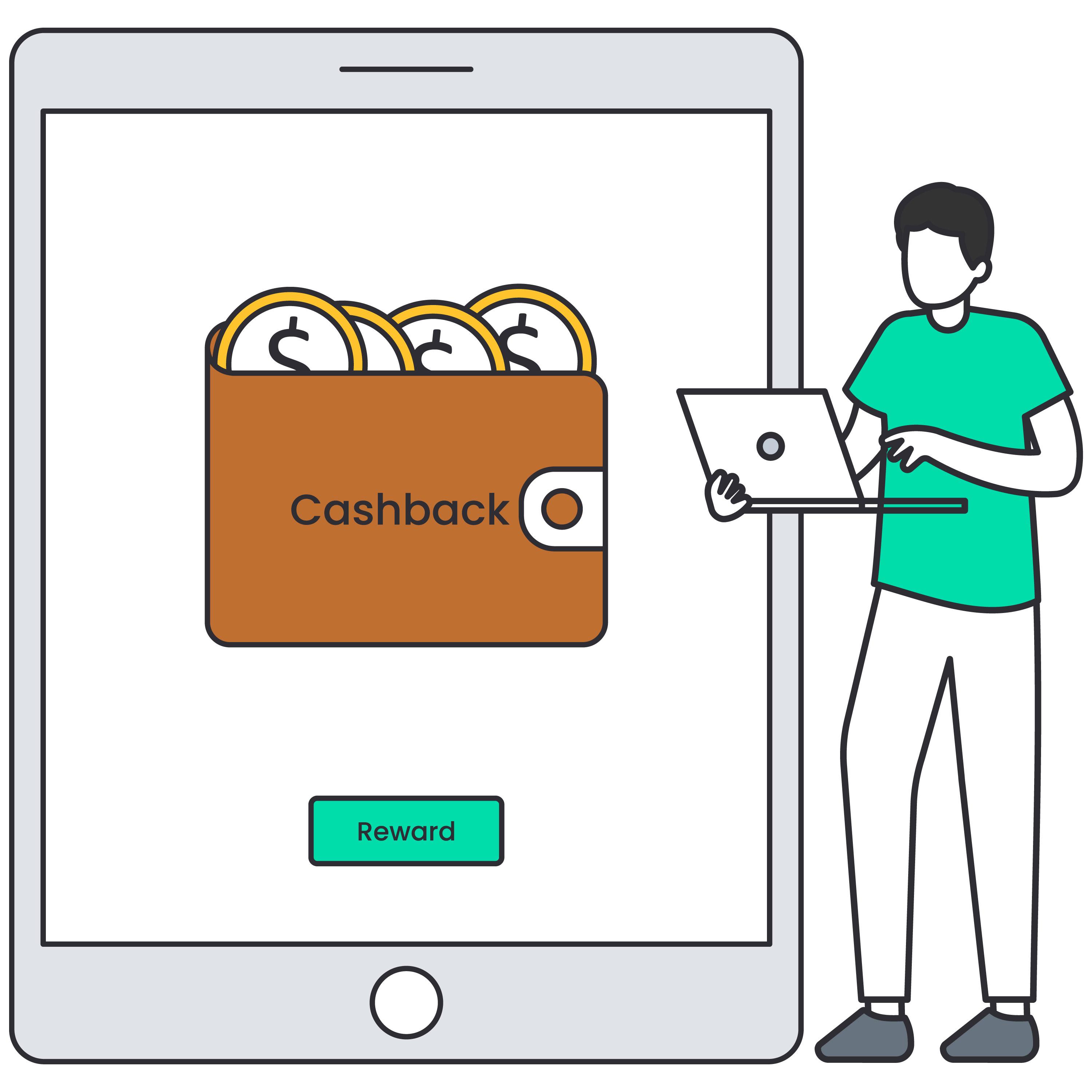
Here's the mechanism: cashback platforms like Rakuten, Ibotta, and TopCashback have affiliate agreements with retailers. When you shop through their link or activated browser extension, the retailer pays the platform a referral commission. The platform keeps part of that commission and passes the rest to you as cashback.
The cashback rate varies by retailer and category — typically 1–15%, with beauty and clothing retailers often offering the highest rates. Rates also change frequently; a retailer might offer 5% one week and 10% the next during a promotional push.
How you receive it: Most cashback platforms pay quarterly via PayPal, direct deposit, or check. Some offer gift card redemption at any time. Rakuten's "Big Fat Check" arrives four times a year; Ibotta pays when you reach a $20 minimum threshold.
Key things to know:
Cashback applies to the amount you actually pay — after any discounts, coupons, or sale prices
Returns and cancellations void the cashback on that transaction
Cashback is earned on the subtotal, not including tax and shipping in most cases
You must activate the cashback before completing checkout — not retroactively
How Coupons Work
A coupon or promo code is a discount applied before you pay — it directly reduces your checkout total.
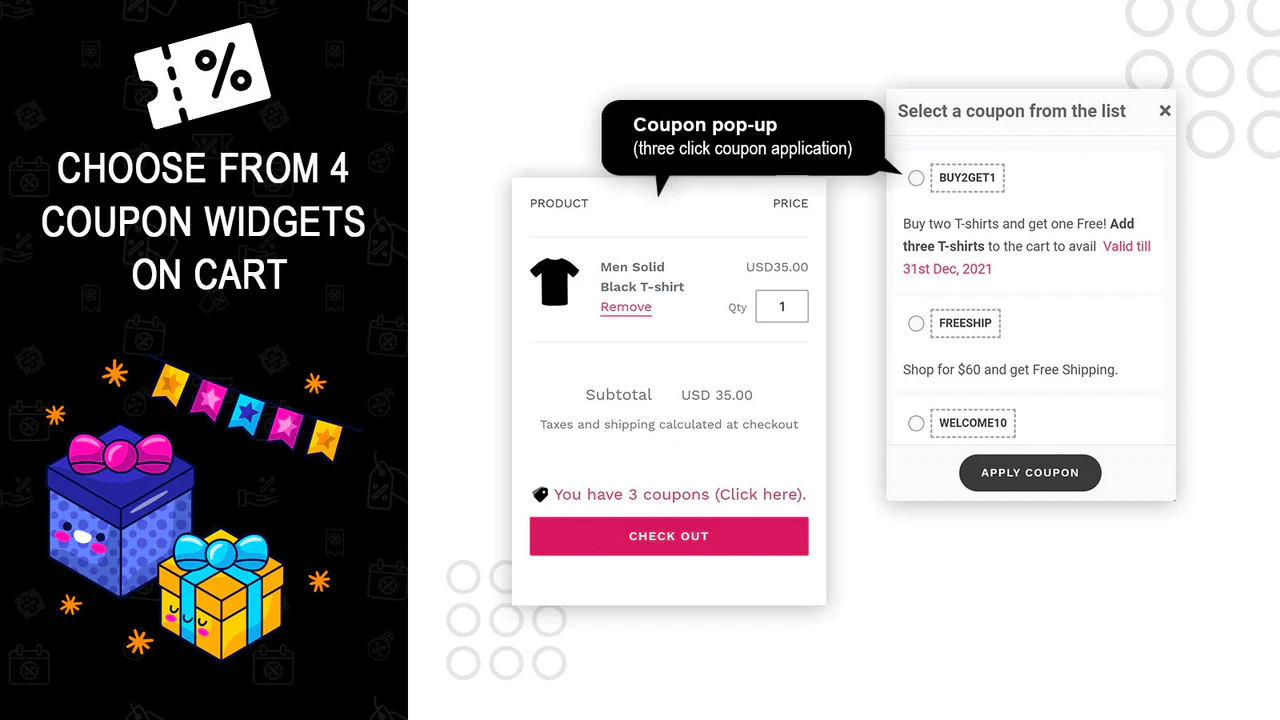
You enter a code like SAVE15 at checkout, and the retailer's system validates it and deducts the discount from your order. The types of discounts vary: percentage off, fixed dollar amount, free shipping, or category-specific deals. For a full breakdown of code types and how to apply them, see our guide on what is a promo code and how coupon codes work.
Key things to know:
The discount is immediate and certain — you see it before you confirm the order
Most retailers allow only one promo code per transaction
Codes have expiration dates and sometimes usage limits
Some codes exclude sale items, clearance, or specific categories
Finding a good code requires active searching (or a browser extension that automates it)
Active promo codes for Amazon, Walmart, and hundreds of other stores are available in our store directory.
Side-by-Side Comparison
Coupons / Promo Codes | Cashback | |
|---|---|---|
When discount applies | Before payment | After payment |
Discount type | Fixed % or $ off | % of purchase returned |
Typical savings range | 5–40% | 1–15% |
Requires upfront action | Yes — find and enter code | Yes — activate before checkout |
Works on sale items | Often excluded | Usually yes |
Stackable with the other | ✅ Yes | ✅ Yes |
Certainty | Immediate — see it before paying | Delayed — arrives weeks/months later |
Best for | Large discounts on specific items | Consistent savings across all purchases |
When Coupons Win
Coupons outperform cashback in specific situations where the discount percentage is simply larger.
High-value promo codes exist. A 25% or 30% off sitewide code at a clothing or home goods retailer demolishes any cashback rate. Cashback rarely exceeds 15%, and most rates sit between 2–8%. When a strong code is available, it's the better savings mechanism by a wide margin.
Flash sales and limited-time offers. During Black Friday, Cyber Monday, and other major sale windows, retailers release codes that stack on top of already-reduced prices. Cashback during these periods is sometimes suspended by retailers (a common restriction worth checking), making coupons the only lever available.
First-order welcome discounts. New customer codes of 10–20% off are one of the easiest discounts to capture and consistently beat standard cashback rates for first purchases. Sign up for the email list before you buy — most welcome codes arrive within 24 hours.
Free shipping codes. On orders where shipping would otherwise cost $8–$15, a free shipping code can represent a 10–20% effective discount on a smaller order — often beating cashback on that transaction.
When Cashback Wins
Cashback has a structural advantage that coupons can't match: it works on almost every purchase, with no hunting required.
No codes exist for this retailer. Many retailers don't release public promo codes regularly, or only offer codes to email subscribers. Cashback portals cover thousands of stores that rarely publish discount codes — making cashback the only available discount for those merchants.
Sale and clearance items. Promo codes frequently exclude already-discounted merchandise. Cashback applies to your purchase total regardless of whether items are on sale, making it the reliable option when you're buying marked-down goods.
Everyday, recurring purchases. For regular spending at Amazon or Walmart — groceries, household supplies, routine purchases — cashback quietly accumulates without requiring any action beyond the initial setup. Over a full year of regular shopping, this passive accumulation can rival or exceed what you'd save hunting codes.
When you forget to search for a code. A browser extension like Rakuten's activates automatically. Cashback requires less discipline than code-hunting and therefore gets used more consistently.
How to Stack Coupons and Cashback Together (Step-by-Step)
The should I use cashback or coupon framing is the wrong question. The right question is: am I using both?
Cashback and promo codes are not mutually exclusive. In most cases, you can apply a promo code at checkout and have an active cashback session running simultaneously. The cashback calculates on your final paid amount (after the code discount), so the order of operations is:
Activate cashback through your portal (Rakuten, Ibotta, TopCashback)
Click through to the retailer from the cashback platform
Shop and add items to cart
Apply your promo code at checkout
Complete the purchase — cashback tracks on the discounted total
This stacking approach is where the real savings compound. A 20% off code plus 8% cashback at a clothing retailer represents nearly 27% effective savings on that transaction. Neither tool alone achieves that.
For a complete system that combines coupons, cashback, and timing — see our guide on 10 coupon habits that actually work.
Best Cashback Apps to Pair with Coupons
Not all cashback platforms are equal. Here are the four worth using, each with a different strength.
Rakuten — The most widely used cashback portal in the U.S., with coverage at thousands of retailers including Amazon and Walmart. Rates are competitive, the browser extension activates automatically, and quarterly PayPal payments are reliable. Best for: general online shopping across major retailers.
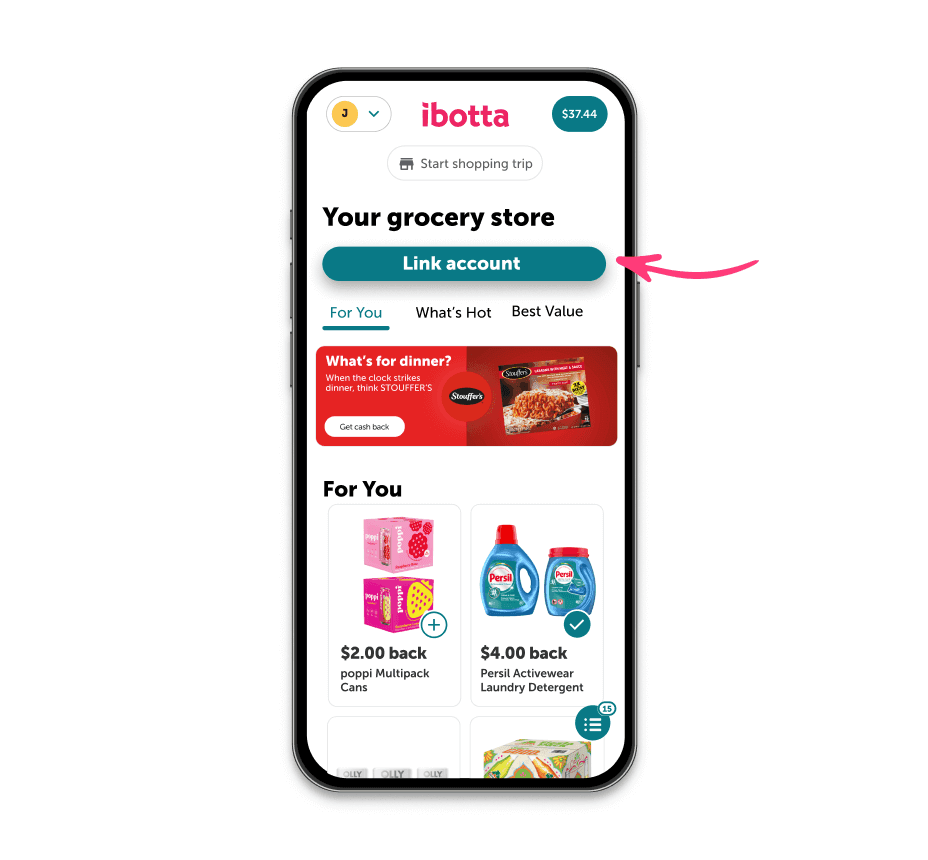
Ibotta — Originally built for grocery cashback, Ibotta has expanded significantly into online retail. It's particularly strong for in-store purchases at physical locations where browser extensions don't apply. Payouts are cash via PayPal when you reach $20. Best for: grocery shopping and in-store purchases.
TopCashback — Consistently offers higher cashback rates than Rakuten at many retailers, because it passes back a greater share of affiliate commissions. The tradeoff is a less polished interface and slower customer support. Best for: shoppers willing to comparison-shop cashback rates before each purchase.
Honey (Gold) — Honey's cashback program runs through its Gold rewards points, redeemable for gift cards via PayPal. The cashback rates are generally lower than Rakuten or TopCashback, but Honey's strength is its code-testing feature — making it the ideal tool when you want both functions (codes + cashback) in a single extension. Best for: shoppers who prioritize simplicity and want one extension to handle everything.
Pro tip: Before any major purchase, check the cashback rate at both Rakuten and TopCashback. The difference can be 3–5 percentage points on the same retailer, which matters on larger orders. It takes 30 seconds and requires nothing beyond having accounts at both platforms.
Frequently Asked Questions
Is cashback better than coupons? Neither is universally better — they work differently. Coupons deliver larger one-time discounts when a good code is available. Cashback delivers consistent, smaller savings on every purchase. The best approach is using both together, since they stack on most transactions.
Should I use cashback or coupon first? Activate cashback first (through your portal or extension), then apply the promo code at checkout. Cashback calculates on your final amount after the code discount, so the order matters — always activate cashback before completing the purchase.
Do cashback portals work with promo codes? Yes, in most cases. Applying a promo code at checkout does not void cashback — the cashback simply calculates on the lower, discounted total. Exceptions exist: some retailers suspend cashback during major sale events. Check the retailer's cashback terms if you're unsure.
Which cashback app pays the most? It varies by retailer and changes frequently. TopCashback and Rakuten are the most competitive. For any purchase over $50, compare rates at both before clicking through — a 2–5% difference is common for the same store.
Can I use cashback on sale items? Generally yes. Unlike promo codes, cashback doesn't typically exclude sale or clearance items. This makes it the more reliable savings tool when shopping marked-down merchandise.
Where do I find promo codes to stack with cashback? Browse our store directory for active codes at hundreds of retailers — including Amazon and Walmart — updated daily.
Stack promo codes with cashback for maximum savings. Find active codes for hundreds of stores — updated daily.